Music Research Forum | Adeline Heck - Wagnerism in Fin-de-siècle French Literature
Join us for the next talk in our music research series. The Museum will be open from 5:30pm with the talk starting at 6:00pm. Bookings encouraged, drop ins welcome.
Wagnerism in Fin-de-siècle French Literature: Music, Aesthetics and Cultural Rivalry Between France and Germany
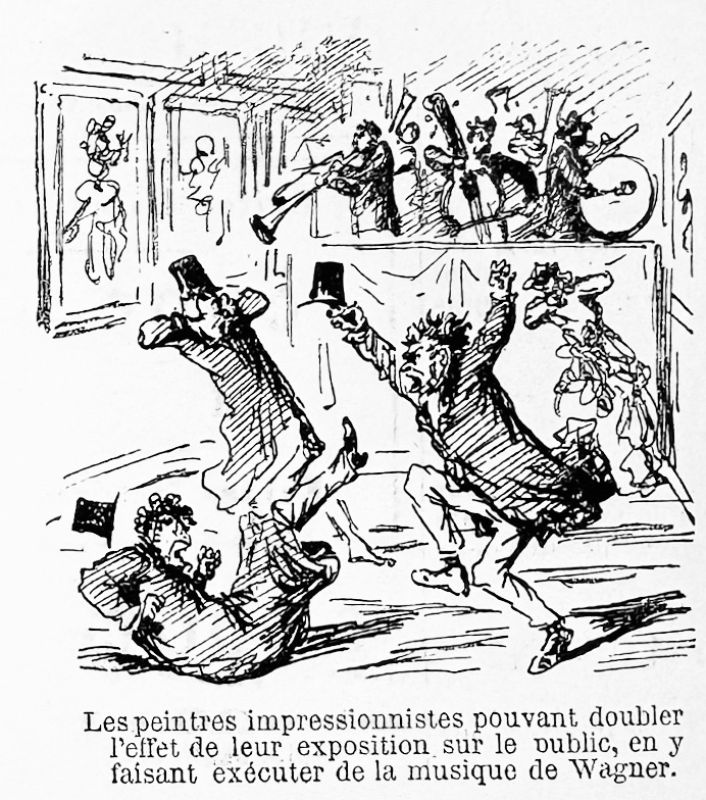
At the centre of Tristan und Isolde lies an epistemological confusion between erotic love and death, as symbolised by Brangäne’s substitution of one potion for another. The history of nineteenth-century French Wagnerism is characterised by the same dual pull towards love—the beatification of Wagner and his aesthetics—and death—the reinterpretation and, at times, radical questioning of those ideas. I contend that this tension between opposites is what made French Wagnerism the most fruitful of all Wagnerian movements in Europe. Nowhere is this truer than in nineteenth-century French literature, where pro-Wagner writers explored radical new forms and ideas—like interior monologue, free verse, poetic paraphrases of music and musico-literary parodies—in turn, influencing a further generation of French writers, visual artists and composers.
This talk retraces the history of the Symbolist and Decadent literary response to Wagner in France from the 1860s up until the First World War while excavating the musical networks with which these writers engaged.
Adeline Heck is a British Academy International Fellow in the School of Modern Languages at St Andrews. Her academic speciality centres on the study of nineteenth-century French literature and its interactions with opera and vocal music, with a particular interest in the reception of Richard Wagner's works and ideas. Her British Academy project focuses on 19th-century French opera libretti and their status as literary works. Her work on French literary Wagnerism has been published in 19th-Century Music, Nineteenth-Century French Studies and Music & Letters. She is currently at work on a book manuscript on French literary Wagnerism between 1860 and 1900.